Showing posts with label Grammar. Show all posts

Sunday, 17 May 2020

INGLÉS PRIMARIA (Semana 18-22 de mayo)


Cambridge Assessment English - Penfriends


Continuamos practicando inglés:


 Vamos a Online learning zone y pinchamos en Big Questions

  • Los alumnos de 1º van a 1 y escuchan la 3º y 4º  canción. Escuchan la 3º y 4º  story (Garden  land, Circus  land ). Van a crafts y hacen el 2º minibook. Escuchan el 2º grammar chant. Luego van a Games Level 1-2

  • Los alumnos de 2º van a 2. Escuchan la 3º y 4º  canción. Escuchan la 3º y 4º  story (Space school land, Picnic Land). Van a crafts y hacen el 2º minibook.  Escuchan el 2º gramar chant. Luego van a Games Level 1-2

  • Los alumnos de 3º van a 3. Escuchan la 3º y 4º canción. Escuchan la 3º y 4º story (A long time ago World, Grandma´s world). Por último, en grammar, hacen las actividades de las unidades 4-6 del número 2. Luego van a Games Level 3-4

  • Los alumnos de 4º van a 4. Escuchan la 3º y 4º  canción. Escuchan la 3º y 4º story (Freddy´s funfair world, Film world). Por último, en grammar, hacen las actividades de  las unidades 4-6 (units 4-6) del número 3. Luego van a Games Level 3-4

  • Los alumnos de 5º van a 5. Escuchan la 3º y 4º canción. Escuchan la 3º y 4º  story (Lost in the labyrinth, The robot games ).  Por último, en grammar, hacen las actividades de las unidades 7-9 (units 7-9)   del número 3. Luego van a Games Level 5-6

  • Los alumnos de 6º van a 6. Escuchan la 3º y 4º canción. Escuchan la 3º y 4º story (A stange discovery!, Moving day!) Por último, en grammar, hacen las actividades de  las unidades 4-6 (units 4-6) del número 4. Luego van a Games Level 5-6.

Todos los cursos escuchan la historia del cuento:  “The sleeping cloud”  https://www.youtube.com/watch?v=7l2kF2NR_qY&feature=youtu.be


Acceso directo a Games Zone ( https://elt.oup.com/student/oupeprimary/gameszone/?cc=global&selLanguage=en): cada alumno accede a su nivel.

Buena semana, mucho ánimo y adelante.


Friday, 15 May 2020

INGLÉS PRIMARIA (11-15 de mayo)

https://www.teflcourse.net/uploads/english-word-education-banner_66675-1571.jpg
Seguimos paso a paso practicando inglés:

Vamos a Online learning zone y pinchamos en Big Questions

  • Los alumnos de 1º van a 1 y escuchan la 1º y 2º  canción. Escuchan la 1º y 2º  story (Classroom  land, Park land ). Van a crafts y hacen el 1º minibook. Escuchan el 1º grammar chant. Luego van a Games Level 1-2

  • Los alumnos de 2º van a 2. Escuchan la 1º y 2º  canción. Escuchan la 1º y 2º  story (Toy land, Hobby Land). Van a crafts y hacen el 1º minibook.  Escuchan el 1º gramar chant. Luego van a Games Level 1-2

  • Los alumnos de 3º van a 3. Escuchan la 1º y 2º canción. Escuchan la 1º y 2º story (Music Worl, Sea world). Por último, en grammar, hacen las actividades de   de las unidades 1-3 del número 2. Luego van a Games Level 3-4

  • Los alumnos de 4º van a 4. Escuchan la 1º y 2º  canción. Escuchan la 1º y 2º story (Winter world, Bird world). Por último, en grammar, hacen las actividades de  las unidades 1-3 (units 1-3) del número 3. Luego van a Games Level 3-4

  • Los alumnos de 5º van a 5. Escuchan la 1º y 2º canción. Escuchan la 1º y 2º  story (The secret mission, Rainforest adventure ).  Por último, en grammar, hacen las actividades de las unidades 1-3 (units 1-3)  y (units 4-6) del número 3. Luego van a Games Level 5-6

  • Los alumnos de 6º van a 6. Escuchan la 1º y 2º canción. Escuchan la 1º y 2º story (Push the botton!, Library quest!) Por último, en grammar, hacen las actividades de  las unidades 1-3 (units 1-3) del número 4. Luego van a Games Level 5-6.

Todos los cursos escuchan la historia del cuento:  “Peace at last”  https://www.youtube.com/watch?v=cXMaia5lL8A


Acceso directo a Games Zone ( https://elt.oup.com/student/oupeprimary/gameszone/?cc=global&selLanguage=en): cada alumno accede a su nivel.

Buena semana, mucho ánimo y adelante.

Monday, 4 May 2020

Inglés Primaria Semana del 4 al 8 de Mayo


Seguimos adelante practicando inglés:

Vamos a Online learning zone y pinchamos en Big brigth ideas

  • Los alumnos de 1º van a 1 y escuchan la 5º canción. Escuchan la 5 story (House land ). Van a crafts y hacen el 3º minibook. Escuchan el 3º grammar chant. Luego van a Games Level 1-2

  • Los alumnos de 2º van a 2. Escuchan la 5º canción. Escuchan la 5 story (Arts and crafts). Van a crafts y hacen el 3º minibook. Por último, en grammar, hacen las actividades de repaso de las unidades 1-3 (units 1-3). Luego van a Games Level 1-2

  • Los alumnos de 3º van a 3. Escuchan la 5º canción. Escuchan la 5º story (A long-time-ago-world). Por último, en grammar, hacen las actividades de repaso de las unidades 1-3. Luego van a Games Level 3-4

  • Los alumnos de 4º van a 4. Escuchan la 5º canción. Escuchan la 5º story (Fashion world). Por último, en grammar, hacen las actividades de repaso de las unidades 1-3 (units 1-3) y de las unidades 4-6 (units 4-6). Luego van a Games Level 3-4

  • Los alumnos de 5º van a 5. Escuchan la 5º canción. Escuchan la 5º story (The robot games).  Por último, en grammar, hacen las actividades de repaso de las unidades 1-3 (units 1-3)  y de las unidades 4-6 (units 4-6). Luego van a Games Level 5-6

  • Los alumnos de 6º van a 6. Escuchan 5º canción. Escuchan la 5º story (The final challenge!) Por último, en grammar, hacen las actividades de repaso de  las unidades 1-3 (units 1-3) y 4-6 (units 4-6). Luego van a Games Level 5-6.

Todos los cursos escuchan la historia del cuento:  “The magic elf”  (https://www.youtube.com/watch?v=apME8IzgHrc)


): cada alumno accede a su nivel.


Buena semana, mucho ánimo y adelante.

Monday, 27 April 2020

INGLÉS PRIMARIA (Semana del 27 al 30 de Abril)

Para continuar practicando inglés:

Vamos a Online learning zone y pinchamos en Big brigth ideas

  • Los alumnos de 1º van a 1 y escuchan la 3º y 4º canción. Escuchan la 3º y 4º story. (Farm  land,  Jungle land). Van a crafts y hacen el 2º minibook. Escuchan el 2º grammar chant.

  • Los alumnos de 2º van a 2. Escuchan la 3º y 4º canción. Escuchan la 3º y 4º story. (Healthyt land,  Space school land). Van a crafts y hacen el 2º minibook. Por último, en grammar, hacen las actividades de las unidades 4-6 (units 4-6)

  • Los alumnos de 3º van a 3. Escuchan la 3º y 4º canción. Escuchan la 3º y 4º story. (Food world,  Superhero world). Por último, en grammar, hacen las actividades de las unidades 7-9

  • Los alumnos de 4º van a 4. Escuchan la 3º y 4º canción. Escuchan la 3º y 4º story. (Adventure park world ,  Film world). Por último, en grammar, hacen las actividades de las unidades 7-9 (units 7-9) de las unidades 10-12 (units 10-12)

  • Los alumnos de 5º van a 5. Escuchan la 3º y 4º canción. Escuchan la 3º y 4º story. (Forest adventure,  Lost in the labyrinth).  Por último, en grammar, hacen las actividades de las unidades 7-9 (units 7-9) de las unidades 10-12 (units 10-12)

  • Los alumnos de 6º van a 6. Escuchan la 3º y 4º canción. Escuchan la 3º y 4º story. (Rainforest adventure, Time travellers) Por último, en grammar, hacen las actividades de las unidades 7-9 (units 7-9)

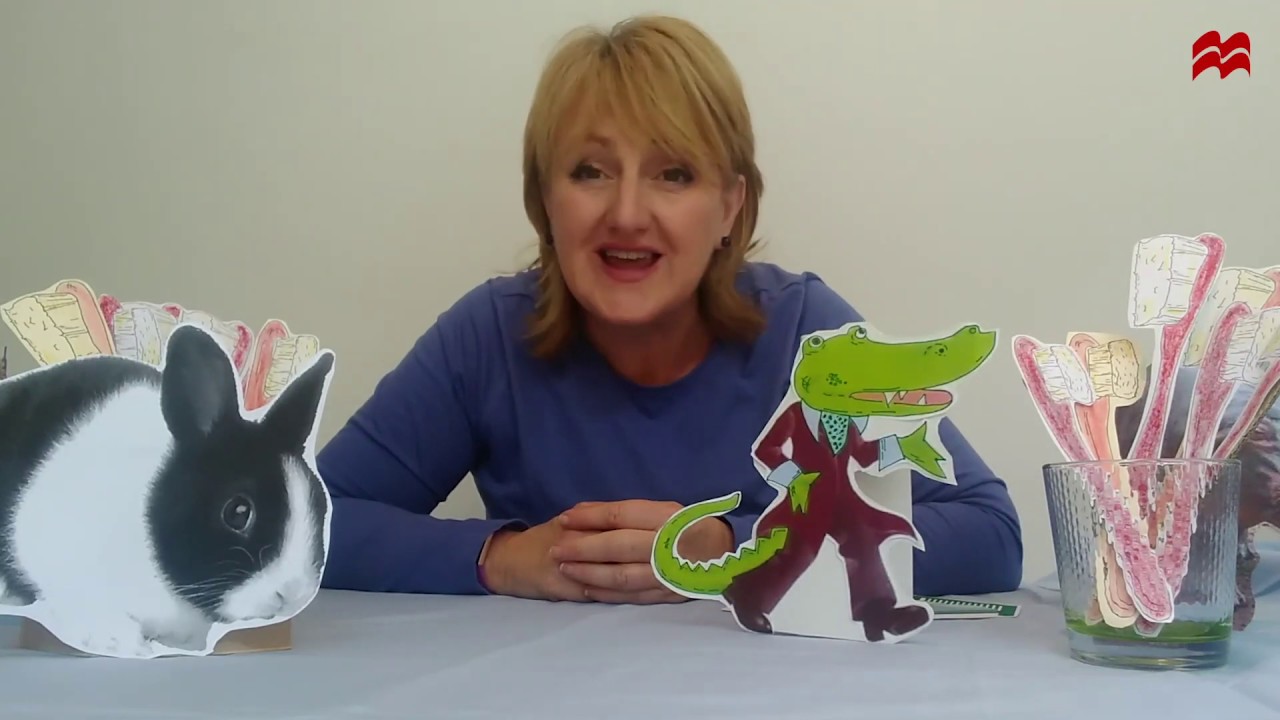
Todos los cursos escuchan la historia del cuento:  “Mr Crocodile´s toothbrush”


Buena semana y adelante.

Tuesday, 10 January 2017

Learnenglish

Página del Ministerio de Educación de Argentina en colaboración con el Brithis Council para el aprendizaje de Inglés con dos secciones, general y para niños.

http://learnenglish.educ.ar/

Monday, 24 March 2014

Infographics to teach the grammar

http://www.engames.eu/

This website uses infographics to present explanations of grammar points and vocabulary that make it easier to understand for the students.
For example:

Present perfect tense grammar explanation mind map

Saturday, 24 August 2013

Using the Passive

The passive voice is often used to explain how things are done. But that’s not all. If you want to be more diplomatic, choose the passive, too.
The passive voice is often used when people want to describe processes and procedures at work. Here, we look at some authentic examples of the passive voice being used.

1. Procedures: the “be”-passive
In this dialogue, Ann is training a new employee, Meg, and explaining how to handle invoices and other documentation.
The “be”-passive is used in a number of cases here because it is the procedure that is important, not who does it:

Meg: I wanna ask you about things I wasn’t sure about sorting bills of lading?
Ann: That comes with every order and it can be thrown away.
Meg: OK.
Ann: I don’t know if I explained this already or not, but the stuff that’s already been paid COD, which is indicated by that little green stub, is not that high of a priority to code and enter until around the end of the month, and if something has to be put off...
Meg: ...and we leave it for last.
Ann: That’s why GM and West Farm and Tree of Life, and some other miscellaneous pay things, are always at the back of the pile.
Meg: OK.
Ann: Because they’ve already been paid.
Meg: OK.
Ann: That’s the most important thing.
Meg: Right. So, the priority is... the things that still need to be paid.


2. The “get-passive” and “have something done”
Sometimes, we form the passive with “get” instead of “be”. This is more informal and used mainly in spoken language. Ann uses this variant when Meg shows her a document:


Ann: That’s for the Save the Earth stuff. It will eventually probably get thrown away, but if you haven’t come across a packing list for Save the Earth products, hang on to it.
Another construction is “to have something done”. This is
often used to talk about getting a supplier to do a job for you:
I had some envelopes made by J.G. Mark’s the other day, and it took a couple of weeks.


3. Explaining your services
If we want to emphasize who is doing something, we often prefer to use the active voice. In the next example, Ian, a representative from a paper supplier, uses “we” and an active verb to describe a production procedure. He wants to emphasize the services that his company provides:

Ian: So, what we’re doing is... we run the wheels until we’ve got enough paper made for you. And then we make, you know, a few hundred sheets extra, and then we just revert to stock sizes.

4. Being diplomatic
The passive is also commonly used when people want to be diplomatic and avoid blaming someone directly:


Maria: How come that wasn’t done much sooner?
Maria uses the passive (“How come that wasn’t done...?”) because the active would have sounded more aggressive (“How come you didn’t do that much sooner?”).

http://www.falibo.com

Talking about your work


http://www.engvid.com/

Saturday, 17 August 2013

Countable and uncountable nouns to talk about food


Learn to talk about what you like to eat in English. In this beginner English lesson you will hear people using countable and uncountable nouns to talk about food. You will see the difference between words that can be counted (an apple, two apples, some apples) and words that cannot be counted (some milk, a glass of milk).